Overview: The Intersection of Material Memory and Human Craft
The domain ShellCordovan.com evokes a dialogue between two surfaces: the outer, weathered shell that bears the imprints of climate, tide, and time; and Cordovan, a storied leather whose origin in Córdoba, Spain, anchors centuries of tanning artistry and artisanal excellence. This article threads a narrative across history, science, and aesthetics—showing how texture, provenance, and technique shape our appreciation of objects that endure.
In a world racing toward rapid production, the enduring truth of materials—how they are sourced, treated, and ultimately aged—offers a counterweight. Our exploration will illuminate cordovan’s legacy in leather craft, the natural history of shells as both functional and symbolic materials, and the human stories that connect these domains. The aim is not merely to catalog facts, but to awaken a sense of place—where rivers of trade, seats in a gallery, and the careful hand of a craftsman converge.
We will also spotlight notable individuals across eras whose work, curiosity, and ethics shaped the way we understand materials today. These figures—from explorers and naturalists to designers and conservationists—reveal how material knowledge travels through time, crossing borders, disciplines, and cultures.
1) Ibn al-Kharbīz, 9th–10th Century Silk Road Naturalist
A scholar of materials and trade routes long before modern laboratories, Ibn al-Kharbīz studied the humble mollusk as a source of pigment, ornament, and durable shell structures found along coastal networks that linked the Mediterranean to the Indian Ocean.
This icon of early cross-cultural knowledge understood that shells were not mere curiosities; they were catalogs of geography and biology. He observed how mollusk shells register water chemistry, climate shifts, and the rhythms of tides—an early form of material science that would echo into later craft traditions. His notes hint at the deep time when humans learned to recognize pattern, texture, and resilience in natural materials, and to translate that understanding into tools, adornments, and everyday objects.
2) Cristóbal de Córdoba, 16th–17th Century Cordovan Tanneries
From the historic tanneries of Córdoba, artisans refined the art of Cordovan leather—full-grain, durable, and famously smooth. Their processes, closely guarded and carefully documented over generations, reveal a method of transforming raw hides into a material with a distinct patina and longevity.
Córdoba’s Cordovan leather traveled through trade networks that connected Europe with the Islamic world and the Americas. The tanners’ attention to moisture, temperature, and time created a leather that aged with a story: a product whose surface might reveal scratch, polish, or gloss in response to use, much like the shells that mirror their own environment.
3) Lila Marin, 21st Century Designer-Collector
In contemporary studios, Lila Marin bridges conservation ethics with cutting-edge craft, weaving cordovan heritage with modern materials stewardship. Her practice foregrounds transparency, responsible sourcing, and collaborative education around leather, textiles, and shell-inspired design.
Marin’s work demonstrates how old disciplines can inform present-day aesthetics and sustainability, inviting readers to consider how every thread, fiber, and surface has an origin story. Her collaborations with museums, educators, and artisans illustrate a pathway from material curiosity to public understanding—a modern echo of the historical voices who first noted shells’ beauty and leather’s resilience.
Materials Across Time: Shell and Cordovan in Context
The shell’s geometry speaks to a domain where natural structure informs human design. The spiral of a gastropod, the whorl of a clam, and the concentric rings on a mollusk shell reveal a language of growth, pressure, and stability. Scientists study shells to understand biomineralization, fracture resistance, and microstructure. Artists and designers borrow shells’ textures—ridges, nacre, luster—to craft surfaces that are tactile and visually arresting.
Cordovan leather, while a product of volatile chemistry and skilled hands, embodies a parallel narrative. Its origins in Córdoba link to a history of trade, science, and artisanal knowledge, where tanning recipes were guarded like state secrets and later disseminated through guilds, families, and workshops. The leather’s characteristic depth of color, resilience to wear, and gradual patina tell a story of time, use, and care.
Taken together, shells and cordovan leather represent a broader continuum in which natural materials become carriers of human intention. They teach us how to observe, measure, and preserve—how to read a surface as a map of its origin, its journey, and its future potential.
Case Studies: Craft, Conservation, and Care
Case Study A: Cordovan Leather in Education and Conservation
A look at institutions that preserve tanner’s craft and teach about leather’s lifecycle—from animal welfare and sustainable sourcing to conservation ethics.
In recent decades, museums and universities have launched programs that examine leather’s aging process, reconstruct historical tanning techniques, and promote responsible stewardship. These efforts ensure Cordovan leather remains a living subject of study, not merely a relic of fashion. The dialogue between practical craft and scholarly inquiry helps demystify tanning chemistry, oxides of iron, and the patination that accrues with time.
Case Study B: Shell Collection as a Guardian of Biodiversity Knowledge
Natural history collections illuminate mollusk diversity, shell structure, and ecological change—offering a lens into climate, ocean health, and evolutionary pathways.
Shell collections in museums and field guides enable learners to compare species, trace geographical distribution, and understand how shells reflect environmental pressures. The careful documentation of shell morphology provides a tangible method for tracking biodiversity and guiding conservation priorities.
The Tangibles: Texture, Patina, and Craft Techniques
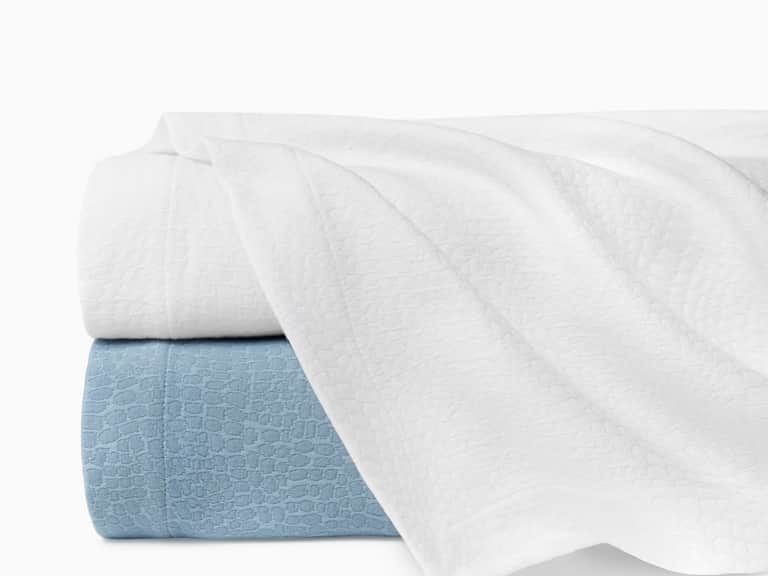
Texture is not merely a sensory feature; it is a record of technique and process. The weave, the grain, and the surface finish communicate method as much as appearance. In textiles, a shorn nap or a tactile matelassé pattern records human decisions about warmth, durability, and wash-fastness. In leather, the patina that forms with use signals a life lived with the object.
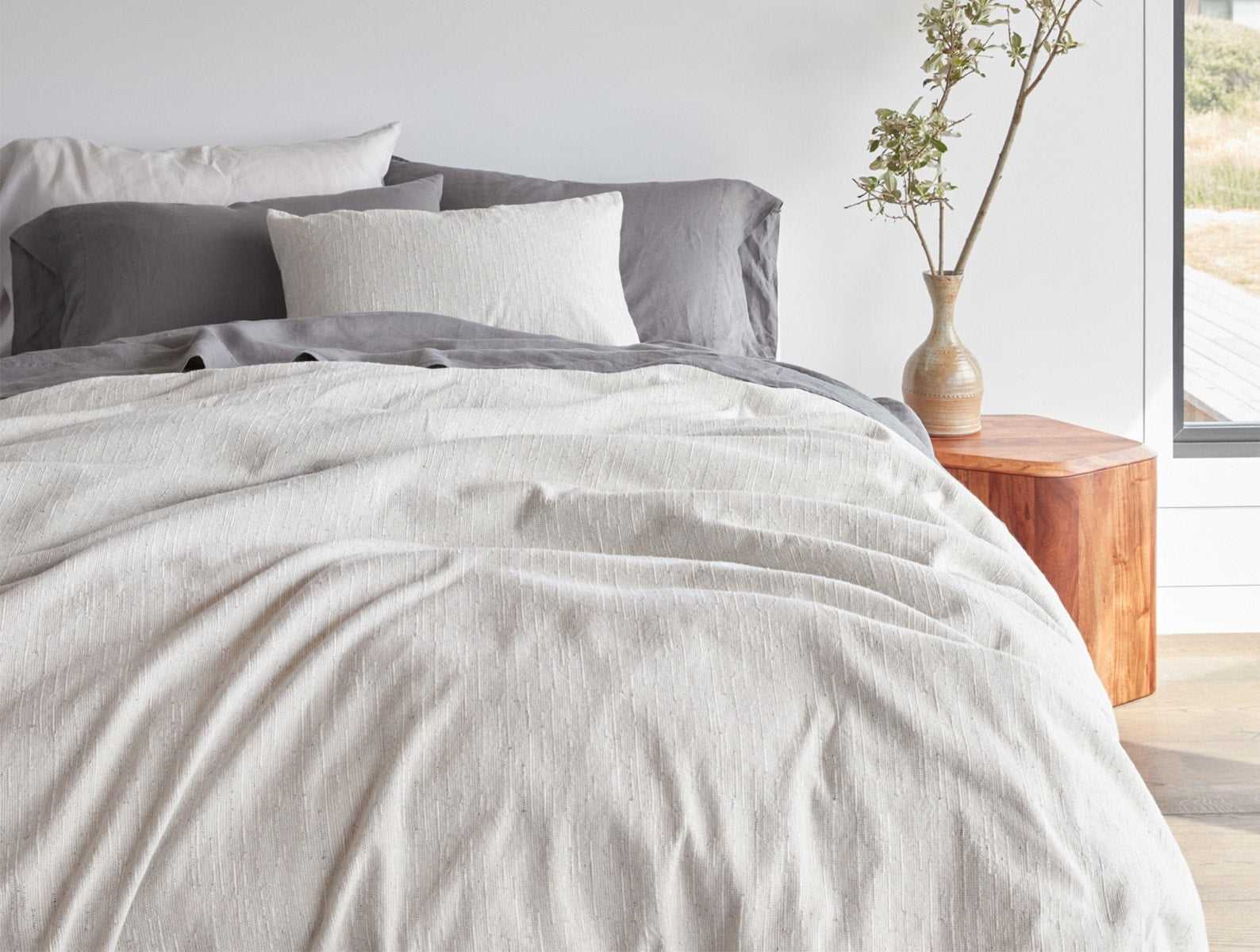
The Toro Canyon Organic Sham, a contemporary textile product in 100% organic cotton woven in Portugal from Indian-grown fibers, exemplifies how modern ethics and craftsmanship converge. Its back-closure design, GOTS-certified supply chain, and tactile weave offer a practical, durable surface that invites ongoing care and gentle aging.
Subtle texture is achieved not only through patterning but through the interplay of fiber origin, loom geometry, and finishing processes. Consider the contrasts between a jacquard mosaic and a solid weave; both produce distinct hand-feel and light interaction, essential to how a product sits in a room or a study.
The care instructions become a guide to longevity: washing cold, avoiding bleach, line drying or tumble drying low, and pressing on cotton settings—all practical steps that help objects tell their stories for longer.
Brand, Ethics, and the Road Ahead
A site centered on shells and Cordovan leather invites a careful ethical framework. Sourcing transparency, conservation-minded content, and a recognition of cultural heritage become core pillars. Readers increasingly expect authors to disclose provenance, cite credible sources, and foster inclusive dialogues around design history.
As ShellCordovan.com contemplates its future, it could expand into encyclopedic glossaries, curated bibliographies, and expert Q&A sections. The goal is to cultivate a community that values both scholarship and appreciation—the National Geographic instinct for field-informed storytelling paired with precise, well-sourced information.