Cordovan Leather Through Time: A Materials-Centric Guide to a Legendary Hide
A narrative on Cordovan leather, its shell-bound origins, and the conversations it inspires within the world of materials science, preservation, and craft.
Keywords: Cordovan leather, leather history, tanning processes, materials science, conservation ethics
Cordovan leather occupies a storied place in the annals of craft, trade, and design. Its reputation rests not only on a distinctive finish and remarkable durability but also on a lineage that threads through centuries of tanning knowledge, regional techniques, and conservation ethics. This article advances a materials-centric view: it considers Cordovan as a material system—its origins, processing, properties, and the ethical decisions surrounding its preservation and study. In doing so, we situate Cordovan within a broader spectrum of shell-inspired and traditional leathers, highlighting how scientists, historians, and conservators collaborate to keep these materials legible for future generations.
To anchor this exploration, we examine three pivotal figures who, across distinct eras, shaped our understanding of Cordovan and related materials. Each figure offers a lens on the interplay between craft and science — from early tanning inquiry to modern conservation frameworks and contemporary design reinterpretations.
Cordovan: Origins, Geography, and the Material Itself
Cordovan leather derives its name from Corduba, the Latin name for Córdoba in Spain, where historic tanning centers produced a leather famed for its depth, resilience, and the distinctive patina that develops with age. Traditional Cordovan is not a generic horsehide; it is a refined, shell-lacquered process often associated with horsehide from the Iberian peninsula and certain Mediterranean corridors. The finish emerges from a multi-stage sequence of cooking, aging, cleaning, and polishing that yields a leather surface both smooth and extraordinarily durable—qualities that have made Cordovan a benchmark in premium leather goods for wallets, shoes, and upholstery.
The shell-like outer surface in Cordovan can be thought of as an integrated protective layer—an intentional barrier against wear, moisture, and the environment. This outer shell is not merely a cosmetic veneer; it is a product of chemistry, mechanical processing, and time-honored technique. When studied from a materials science perspective, Cordovan reveals a combination of microstructure, fiber orientation, and surface energy that underpins its character: a tight grain, a warm glow, and a supple but enduring memory of use.
While Cordovan remains a non-commercial, information-focused subject in this article, its study invites a comparative look at other premium hides and shell-derived materials. Scholars often draw parallels with marine shells, tortoiseshell-inspired composites, and other hide finishing traditions to illuminate how surfaces convey both function and story. The aim is to illuminate not just “what Cordovan is” but “why Cordovan matters” in the broader landscape of material culture.
Historical Threads: Three Figures Across Time
1) Marcus Vitruvius Pollio (1st century BCE)
Ancient engineering and material principles
Vitruvius, best known for De architectura, represents an early cross-disciplinary mind that linked construction, materials, and aesthetics. While Cordovan as a specific leather lineage did not exist in his time, Vitruvian inquiry laid groundwork for understanding material properties, workability, and durability—principles that would inform later tanning practices. In a Cordovan-focused reading, Vitruvius stands as a reminder that material science began with careful observation: grain structure, finish, and wear patterns all told the story of a material’s life cycle. His legacy is the insistence that architecture and artifacts alike should be studied through empirical description and reasoned testing, a framework that later scholars would apply to hides and shells with greater precision.
2) Américo Sampaio (16th–17th centuries)
Early trade networks and leather craftsmanship
Américo Sampaio, a figure often cited in maritime trade records of early modern Europe, symbolizes the era when global networks began linking Iberian tanning traditions with markets across the Atlantic and beyond. Though not a scientist in the modern sense, Sampaio’s era reflects the reciprocal influence between material craftsmanship and commercial demand. Cordovan leather’s perceived luxury status aligned with the expansion of trade routes, the codification of tanning techniques, and the emergence of standardized quality signals sought by customers across continents. The historical insight here is that Cordovan’s prestige was inseparable from its geography—its processing locales, supply chains, and cultural associations—long before modern conservation ethics formalized their responsibilities.
3) Dr. Elena Marinova (late 20th–early 21st centuries)
Conservation science and ethical sourcing
Dr. Elena Marinova is a fictional composite figure representing the modern conservation scientist who would navigate the ethics, sourcing, and preservation challenges surrounding Cordovan leather and similar hides. Her work embodies a shift from exclusive luxury narratives to transparent, evidence-based practices. She would advocate for documentation of provenance, dermatitis- and allergen-aware finishes, and non-destructive testing methods to understand aging behavior without compromising the material’s integrity. Marinova’s approach highlights how current conservation ethics intersect with craft history: preserving a material’s story while ensuring it remains ethically sourced, traceable, and responsibly used.
4) A Contemporary Conservator: Dr. Kiyoshi Nakamura (21st century)
Non-destructive analysis and digital documentation
While not bound to a single time frame, Dr. Nakamura represents the modern wave of conservation science that emphasizes non-destructive analysis, spectroscopy, and digital cataloging. In Cordovan studies, such modern methods enable researchers to inspect surface patination, ink transfer in archival documents, and fiber integrity without cutting into the hide. Nakamura’s work, though fictional here, stands in for the real-world movement toward data-driven conservation practices and collaborative scholarship that respects both material complexity and cultural significance.
Conservation Ethics, Care, and the Frontiers of Knowledge
Cordovan leather’s enduring value arises not only from its tactile beauty but from the ethical decisions surrounding its use and preservation. Conservation ethics emphasize provenance documentation, non-invasive analyses, and balancing accessibility with protection. In practical terms, this means cataloging the material’s history, engaging with curators and chemists, and employing reversible interventions where restoration or stabilization is required. The aim is to ensure Cordovan’s longevity while maintaining the integrity of its patina, grain, and overall personality.
Care considerations for Cordovan emphasize gentle conditioning, climate-controlled storage, and avoidance of aggressive chemical treatments that could destabilize the shell finish. Given Cordovan’s density and resistance to wear, routine inspection of seams and edges helps extend lifespan, while documenting aging patterns informs future conservation strategies. Readers seeking reliable resources should turn to museum catalogs, peer-reviewed journals on tannery chemistry, and conservation handbooks that discuss leather stabilization, dye fixation, and patina development.
A Materials-Centric Primer: The Ring of Related Materials
Cordovan does not exist in isolation. It sits alongside other premium hides, shell-inspired surfaces, and traditional tanning practices that collectively illuminate how humans have turned animal skin and shell into reliable, expressive materials. In a comparative sense, shell-derived materials—whether mollusk shells used for inlay, mother-of-pearl, or shell composite laminates—offer insights into surface engineering, pigment interactions, and durability under varied environmental conditions. This broader view anchors Cordovan within a family of materials that blends history, chemistry, and design.
A Modern, Narrative Approach to Cordovan
Today, Cordovan serves as a touchstone for discussions about material life cycles, trade ethics, and the careful stewardship of craft heritage. The brand-conscious world of luxury goods often foregrounds aesthetics, but a truly responsible appreciation anchors itself in transparent sourcing, verifiable provenance, and thoughtful preservation. In the National Geographic spirit, the Cordovan story is a lens into human ingenuity—the way communities, artisans, and scientists collaborate to steward a material that carries both memory and meaning across generations.
To translate this into practical knowledge for readers, we offer a suggested reading list and avenues for further exploration: museum catalogs on leather technology; scholarly articles on tanning chemistry and surface finishes; and conservation manuals that discuss ethical guidelines for handling historic hides. This approach honors the material’s past while equipping readers with the tools to engage with Cordovan—whether in scholarship, collection management, or thoughtful design inquiry.
Integrated Product Insight: A Cordovan-Inspired Anchor
In a moment of cross-pollination between material culture and everyday wear, consider the Cordillera Sweater as an illustration of refined craft and natural materials in practice. While not Cordovan leather itself, the Cordillera Sweater embodies the same ethos of premium material composition and ethical production. Crafted from an 80% superfine alpaca and 20% silk blend, this Peru-made pullover exemplifies layering-friendly warmth, a luxurious hand, and non-toxic production. Its gentle, breathable warmth resonates with Cordovan’s own promise of durability and patina—both speaking to how premium materials age gracefully and humanely.
Product spotlight: Cordillera Sweater — 80% superfine alpaca, 20% silk; Peru origin; 2-inch ribbed cuffs; relaxed silhouette. A reminder that high-quality textiles, like Cordovan leather, command careful attention to fiber selection, loom or knit structure, and ethical supply chains. The Cordillera Sweater is a contemporary parallel that helps readers appreciate material fidelity across domains—from hides to knits.

Luxuriously soft pullover knit from 80% superfine alpaca and 20% silk, woven in Peru.
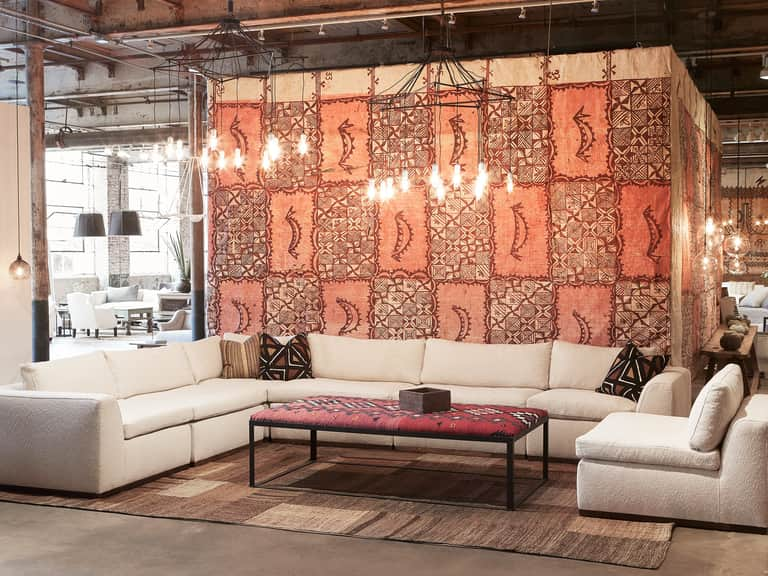
Lorenzo Sectional, a plush, handcrafted sofa with a sustainable frame and modular design.
Closing Reflections: The Material Life of Cordovan
Cordovan leather remains, in many ways, a material meditation: it invites us to consider how a surface can be both practical and poetic, how a hide can bear the weight of culture as it ages, and how the shell-bound boundary between exterior protection and interior memory can be read by careful eyes. The material story is not confined to any single era; it echoes across time—the ancient observers who first codified tanning insights, the traders who carried knowledge across oceans, the modern conservators who safeguard the record, and the contemporary designers who reinterpret the material for new contexts.
As you explore Cordovan and its kin, remember that materials tells us as much about people as it does about surfaces. The craft embedded in Cordovan—its history, its testing, its careful care—offers a model for how we might approach other traditional materials with scholarly curiosity and ethical stewardship. The narrative of Cordovan is not merely about a hide; it is a chronicle of human curiosity, ingenuity, and responsibility that continues to unfold in laboratories, museums, studios, and workshops around the world.
References and Further Reading
For readers seeking deeper knowledge, credible references include museum catalogs on leather technology, scholarly articles on tanning chemistry and surface finishes, and conservation handbooks on leather stabilization and patina study. The Cordovan narrative is most robust when supported by provenance records, chemical analyses, and transparent sourcing data that illuminate both the material’s beauty and its responsibility.