Runners are a versatile textile category designed to cover, protect, and define high-traffic pathways within living spaces. Typically crafted from durable fibers, they offer abrasion resistance, easy care, and decorative appeal for hallways, entryways, and behind furniture. Understanding fiber content, weave, and slip resistance helps in selecting a runner that aligns with daily use and stylistic goals for a room.
Key characteristics of runners include length, width, and pile height, which influence comfort underfoot and visual proportion in narrow spaces. Materials such as natural fibers or blended synthetics balance resilience with feel. In addition to aesthetics, a well-chosen runner contributes to noise reduction and underfoot warmth, enhancing practicality in high-traffic zones.
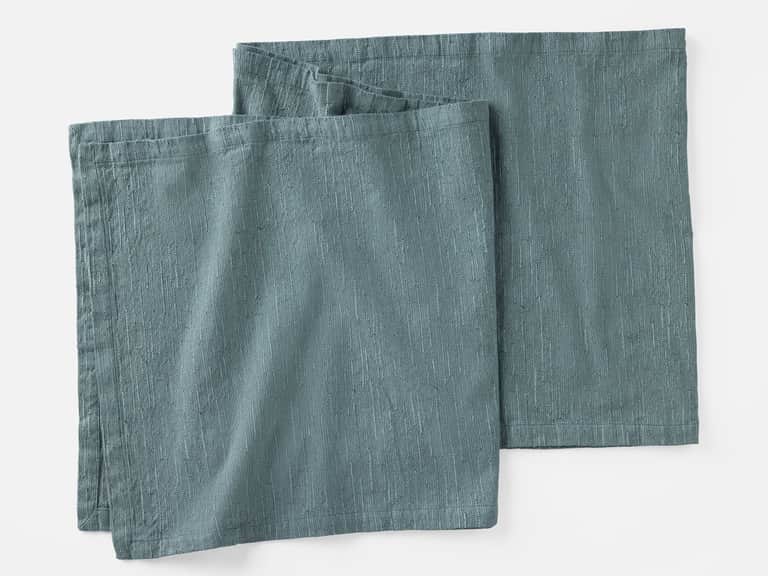
When evaluating options like the Toro Canyon Organic Runner, consider features such as organic sourcing, texture, and edge finishing. Functional benefits often include improved slip resistance on smooth floors, easy spot-cleaning for spills, and long-term shape retention. These factors support both frequent use and routine maintenance in home environments.
Understanding placement and care guidelines further informs durability and appearance over time. Runners are commonly used along corridors, at the foot of beds, or to define seating areas, with reversible or low-pile designs offering versatility. Proper backing, rug pad compatibility, and vacuuming routines help preserve fiber integrity and color.
Meta keywords such as bedding, pillow covers & shams, furniture, sectionals, sofas align with broader interior textiles and emphasize the interconnected role of fabric selections in coordinated spaces. Informed choices about running textiles underscore compatibility with surrounding furniture and flooring while supporting functional usability and aesthetic continuity.
 Table
Table